Nicotine(HARMFUL)
Nicotine is a stimulant that activates nicotinic acetylcholine receptors, modestly sharpening attention and mood while being strongly addictive. Its acute cognitive effects are real but small and short-lived, and any research interest (e.g., epidemiological inverse associations with Parkinson’s) has not translated into therapeutic use. Most real-world harm comes from tobacco combustion, but nicotine itself drives dependence and has cardiovascular effects.
Too little may be associated with
No requirement; withdrawal in dependent users.
Too much may be associated with
Addiction, cardiovascular harm, tobacco-related disease.
Informational only — not medical advice.
Benefits
A stimulant that transiently sharpens attention and, in patch/gum form, is an evidence-based smoking-cessation aid.
Risks
Highly addictive; raises heart rate and blood pressure, harms adolescent brain development, and is dangerous in pregnancy. Delivery via smoking and vaping adds major toxic and carcinogenic harm.
Informational only — not medical advice.
Body systems
Organs
Functions
- Arousal (↑)
- Wakefulness (↑)
- Appetite Regulation (↓)
- Hunger Regulation (↓)
- Sleep Regulation (↓)
Diseases
Hormones
Neurotransmitters
Books (9)
 A Gentle Path through the Twelve Steps
 Dopamine Nation
 Freedom from Nicotine: The Journey Home
 Nicotine Anonymous: The Book
 Smoke-Free in 30 Days: The Pain-Free, Permanent Way to Quit
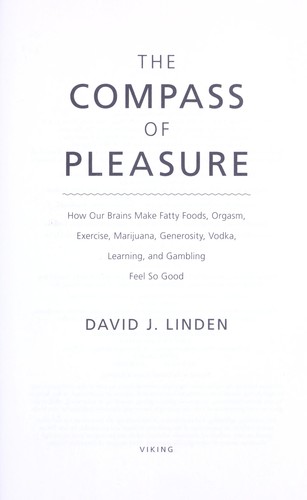 The Compass of Pleasure
 The Craving Mind: From Cigarettes to Smartphones to Love
 The Easy Way for Women to Stop Smoking
 The Easy Way to Stop Smoking
Research (21)
- Nicotine and neuronal nicotinic acetylcholine receptors: unraveling the mechanisms of nicotine addiction Li et al. (2025) Full text ↗ PubMed ↗
- Alpha5 nicotine acetylcholine receptor subunit promotes intrahepatic cholangiocarcinoma metastasis Wang et al. (2024) Full text ↗ PubMed ↗
- The many enigmas of nicotine Papke (2024) Full text ↗ PubMed ↗
- E-cigarettes, nicotine, the lung and the brain: multi-level cascading pathophysiology Herman et al. (2020) Full text ↗ PubMed ↗
- Nicotine Addiction: Neurobiology and Mechanism Tiwari et al. (2020) Full text ↗ PubMed ↗
- Cholinergic Receptors and Addiction De et al. (2020) Full text ↗ PubMed ↗
- Effects of T'ai Chi on Serotonin, Nicotine Dependency, Depression, and Anger in Hospitalized Alcohol-Dependent Patients Oh et al. (2016) Full text ↗ PubMed ↗
- Psychedelics Nichols (2016) Full text ↗ PubMed ↗
- Dopaminergic and cholinergic learning mechanisms in nicotine addiction Subramaniyan et al. (2015) Full text ↗ PubMed ↗
- Nicotinic alteration of decision-making Naudé et al. (2015) Full text ↗ PubMed ↗
- Nicotine and the adolescent brain Yuan et al. (2015) Full text ↗ PubMed ↗
- The dopamine theory of addiction: 40 years of highs and lows Nutt et al. (2015) Full text ↗ PubMed ↗
- The "stop" and "go" of nicotine dependence: role of GABA and glutamate D'Souza et al. (2013) Full text ↗ PubMed ↗
- Nicotine facilitates memory consolidation in perceptual learning Beer et al. (2013) Full text ↗ PubMed ↗
- Serotonin involvement in Rhodiola rosea attenuation of nicotine withdrawal signs in rats Mannucci et al. (2012) Full text ↗ PubMed ↗
Links
Recovery resources
Help for nicotine use and recovery. Not an endorsement or medical advice — see all recovery resources.
Nicotine Anonymous (NicA)
A 12-step fellowship helping people live free of nicotine from smoking, vaping, and tobacco.
- Celebrate Recovery
A Christ-centered 12-step program for people working through addictions and other hurts, habits, and hang-ups.
SMART Recovery
A secular, science-based recovery program using cognitive-behavioral tools for any addictive behavior.
Community
Log in to rate and share your notes.
No contributions yet.