Vitamin D
Vitamin D is essential for bone health and has receptors throughout the brain, and deficiency is associated with depression and other problems. However, large randomized trials (such as VITAL) have generally not found that supplementing vitamin D in non-deficient people prevents depression, cognitive decline, or major disease. The clearest benefit is correcting a genuine deficiency, which is common in low-sunlight settings.
Too little may be associated with
Deficiency: low mood, fatigue, bone and immune problems.
Too much may be associated with
Toxicity: high calcium, nausea, kidney strain.
Informational only — not medical advice.
Benefits
Supports calcium absorption, bone health, and immune function; supplementation corrects the widespread deficiency common in low-sun climates.
Risks
Fat-soluble, so excess causes toxic high calcium (nausea, kidney stones, heart-rhythm problems). Test levels rather than mega-dosing blindly.
Informational only — not medical advice.
Body systems
Organs
Functions
- Menopause (↑)
- Perimenopause (↑)
- Stress Response (↑)
Diseases
- Osteoporosis (↑)
Hormones
Neurotransmitters
Related
Where to buy
Popular Vitamin D products on Amazon. Not medical advice — talk to a clinician before starting a supplement.

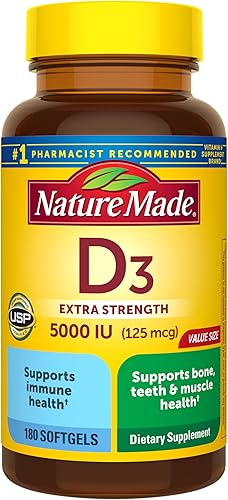

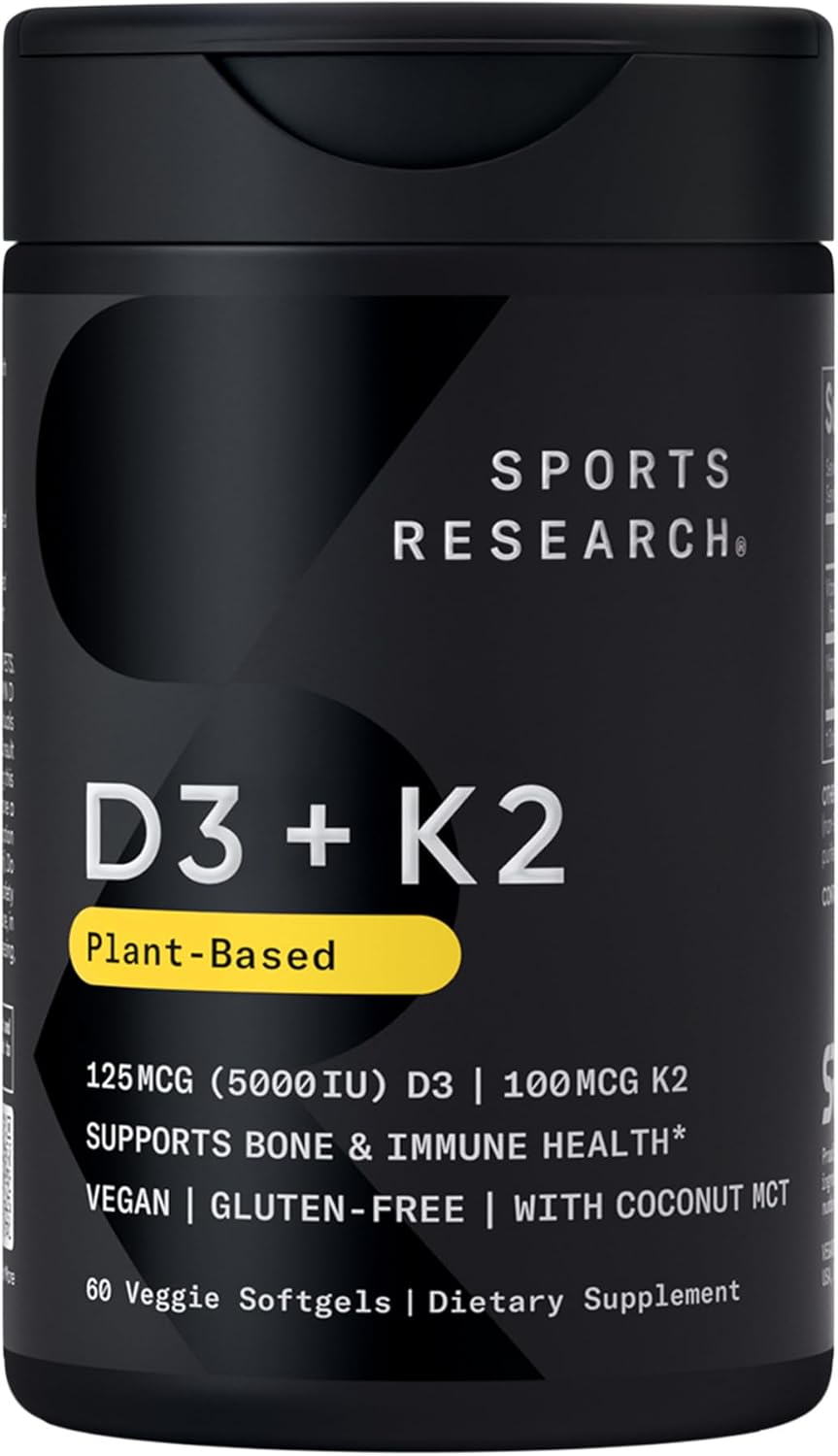
As an Amazon Associate, Neurotransmission earns from qualifying purchases.
Research (22)
- Physiology, Integument Kim et al. (2026) PubMed ↗
- Nutritional co-therapy with vitamin D and L-theanine reduces unpredictable mild chronic stress (UCMS) in aged mice by restoring alpha-oscillations, dopamine levels and behavioral improvement Hussain et al. (2025) Full text ↗ PubMed ↗
- [Nutrition in improving sleep quality and fighting insomnia] Ortega et al. (2025) Full text ↗ PubMed ↗
- Nutrition, Obesity, and Seborrheic Dermatitis: Systematic Review Patel et al. (2024) PubMed ↗
- Molecular pathways in placental-fetal development and disruption Zhao et al. (2024) Full text ↗ PubMed ↗
- Vitamin D as a Modulator of Neuroinflammation: Implications for Brain Health Menéndez et al. (2024) Full text ↗ PubMed ↗
- Current and investigational medications for the treatment of sarcopenia Rolland et al. (2023) PubMed ↗
- Nutrition, Physical Activity and Supplementation in Irritable Bowel Syndrome Radziszewska et al. (2023) PubMed ↗
- Whey Protein Supplementation with or without Vitamin D on Sarcopenia-Related Measures: A Systematic Review and Meta-Analysis Nasimi et al. (2023) PubMed ↗
- Combined vitamin D and magnesium supplementation does not influence markers of bone turnover or glycemic control: A randomized controlled clinical trial Cheung et al. (2023) PubMed ↗
- The effect of combined magnesium and vitamin D supplementation on vitamin D status, systemic inflammation, and blood pressure: A randomized double-blinded controlled trial Cheung et al. (2022) PubMed ↗
- Clinician guidelines for the treatment of psychiatric disorders with nutraceuticals and phytoceuticals: The World Federation of Societies of Biological Psychiatry (WFSBP) and Canadian Network for Mood and Anxiety Treatments (CANMAT) Taskforce Sarris et al. (2022) PubMed ↗
- Osteoporosis in COPD patients: Risk factors and pulmonary rehabilitation Wang et al. (2022) Full text ↗ PubMed ↗
- Digital Addiction and Sleep Dresp-Langley et al. (2022) Full text ↗ PubMed ↗
- Dietary supplements for obesity Bonetti et al. (2022) PubMed ↗
Links
Community
Log in to rate and share your notes.
No contributions yet.