Creatine
Creatine is among the most studied and effective supplements for increasing muscle strength, power, and lean mass, with a strong safety record. Emerging research suggests it may also modestly support cognition and mood, with the clearest effects under stress such as sleep deprivation and in people with low dietary intake (e.g., vegetarians). Cognitive benefits are promising but less established than the physical ones.
Too little may be associated with
Lower energy reserves, especially in vegetarians.
Too much may be associated with
Water retention; safe for most.
Informational only — not medical advice.
Benefits
One of the best-evidenced supplements: increases strength, power, and lean mass, with growing interest in cognitive and neuroprotective effects.
Risks
Very safe at recommended doses—may cause water-weight gain and occasional GI upset. Stay hydrated, and use caution with pre-existing kidney disease.
Informational only — not medical advice.
Where to buy
Popular Creatine products on Amazon. Not medical advice — talk to a clinician before starting a supplement.
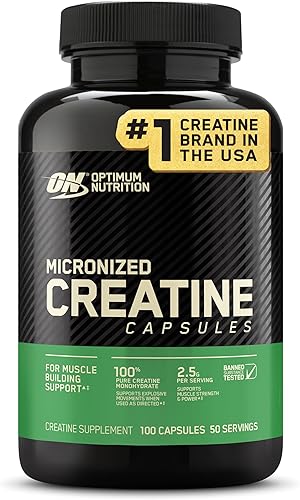


As an Amazon Associate, Neurotransmission earns from qualifying purchases.
Books (4)


Podcasts
- We Do Science (Institute of Performance Nutrition)
The Institute of Performance Nutrition's podcast on the science of sports nutrition, hosted by Dr. Laurent Bannock.

Research (14)
- Effects of creatine supplementation on muscle strength gains-a meta-analysis and systematic review Zhang et al. (2025) Full text ↗ PubMed ↗
- Intranasal delivery of dodecyl creatine ester alleviates motor deficits and increases dopamine levels in a 6-OHDA rat model of parkinsonism Disdier et al. (2025) Full text ↗ PubMed ↗
- Non-invasive mapping of brown adipose tissue activity with magnetic resonance imaging Zhang et al. (2024) Full text ↗ PubMed ↗
- The effects of creatine supplementation on cognitive function in adults: a systematic review and meta-analysis Zhang et al. (2024) Full text ↗ PubMed ↗
- Is creatine a CNS neurotransmitter? Mallik et al. (2023) Full text ↗ PubMed ↗
- Creatine Activity as a Neuromodulator in the Central Nervous System Meftahi et al. (2023) Full text ↗ PubMed ↗
- Glycine and aging: Evidence and mechanisms Johnson et al. (2023) PubMed ↗
- Clinician guidelines for the treatment of psychiatric disorders with nutraceuticals and phytoceuticals: The World Federation of Societies of Biological Psychiatry (WFSBP) and Canadian Network for Mood and Anxiety Treatments (CANMAT) Taskforce Sarris et al. (2022) PubMed ↗
- Regional balance between glutamate+glutamine and GABA+ in the resting human brain Steel et al. (2020) Full text ↗ PubMed ↗
- Insulin resistance and glycine metabolism in humans Adeva-Andany et al. (2018) Full text ↗ PubMed ↗
- Neuroprotective effects of creatine Beal (2011) Full text ↗ PubMed ↗
- Effect of creatine supplementation and sleep deprivation, with mild exercise, on cognitive and psychomotor performance, mood state, and plasma concentrations of catecholamines and cortisol McMorris et al. (2006) Full text ↗ PubMed ↗
- Inactivation of creatine kinase induced by dopa and dopamine in the presence of ferrylmyoglobin Miura et al. (1999) Full text ↗ PubMed ↗
- Creatine and cyclocreatine attenuate MPTP neurotoxicity Yang et al. (1999) Full text ↗ PubMed ↗
Links
Community
Log in to rate and share your notes.