Fermented foods
Fermented foods (yogurt, kefir, kimchi, sauerkraut, and others) contain live microbes and bioactive compounds that may support the gut microbiome. Interest in gut–brain "psychobiotic" effects on mood and stress is high, but human evidence is early and mixed; digestive and general dietary benefits are better supported. They are safe for most people.
Too little may be associated with
Less microbiome diversity.
Too much may be associated with
High salt; bloating for some.
Informational only — not medical advice.
Benefits
Deliver live cultures and bioactive compounds that support gut-microbiome diversity and digestion.
Risks
Often high in salt and histamine; can trigger symptoms in histamine-intolerant or immunocompromised people. Introduce gradually to limit bloating.
Informational only — not medical advice.
Body systems
Organs
Neurotransmitters
Related
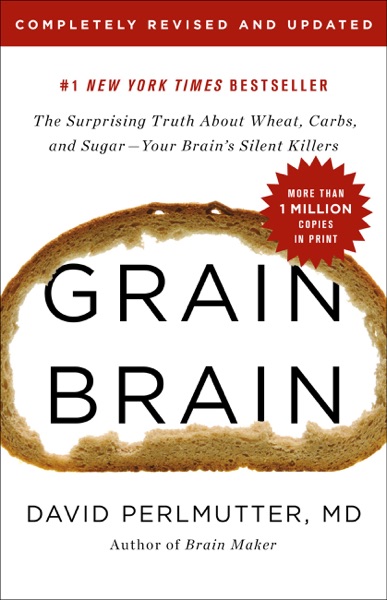
Books (1)
Research (5)
- Bioactive compounds in fermented foods: a systematic narrative review Künili et al. (2025) Full text ↗ PubMed ↗
- γ-Aminobutyric acid found in fermented foods and beverages: current trends Sahab et al. (2020) Full text ↗ PubMed ↗
- Bioactive Components in Fermented Foods and Food By-Products Verardo et al. (2020) Full text ↗ PubMed ↗
- Neuroactive compounds in foods: Occurrence, mechanism and potential health effects Yılmaz et al. (2020) Full text ↗ PubMed ↗
- Bioconversion Using Lactic Acid Bacteria: Ginsenosides, GABA, and Phenolic Compounds Lee et al. (2017) Full text ↗ PubMed ↗
Links
Community
Log in to rate and share your notes.
No contributions yet.